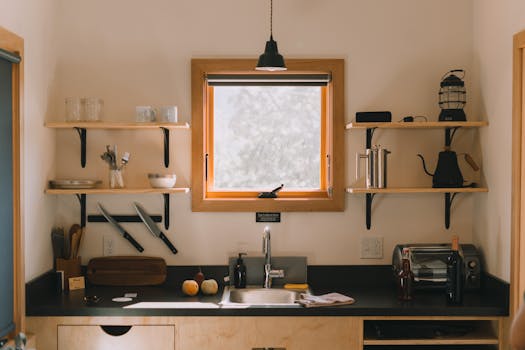

Did you know that lighting accounts for a significant portion of a household’s electricity bill – sometimes as much as 15%? That’s a surprising chunk of change that could be saved with a few strategic shifts. While the concept of “energy-efficient home lighting” might conjure images of bland, utilitarian bulbs, the reality is far more dynamic and exciting. It’s not just about saving money; it’s about transforming your living spaces, enhancing your well-being, and contributing to a more sustainable future. In my experience, embracing these advancements is one of the simplest yet most impactful upgrades a homeowner can make.
The Luminary Revolution: Understanding the Shift
For decades, incandescent bulbs reigned supreme, charming us with their warm glow but guzzling energy. Then came the compact fluorescent lamps (CFLs), offering a noticeable improvement in efficiency. Today, however, we stand at the cusp of a true luminary revolution, largely powered by Light Emitting Diodes (LEDs). These aren’t just brighter; they’re incredibly versatile, durable, and, most importantly, powerhouses of energy efficiency.
Why Embrace Energy-Efficient Home Lighting? The Compelling Case
The benefits of upgrading your home lighting extend far beyond mere cost savings, though that’s a pretty compelling starting point.
Substantial Cost Reduction: LEDs use up to 80% less energy than incandescent bulbs and last up to 25 times longer. This translates directly to lower electricity bills and fewer replacement purchases over the years. Think of it as an investment that pays for itself, many times over.
Environmental Stewardship: Less energy consumption means a smaller carbon footprint. By choosing energy-efficient options, you’re actively participating in efforts to reduce greenhouse gas emissions and conserve precious natural resources. It’s a tangible way to make a difference.
Enhanced Ambiance and Functionality: Modern lighting technology offers unparalleled control over the mood and functionality of your spaces. From adjustable brightness (dimming) to color temperature control, you can tailor the light to suit any activity, from focused work to relaxing evenings.
Improved Safety and Durability: Many energy-efficient bulbs, particularly LEDs, generate very little heat. This reduces the risk of burns or fires and can also prolong the life of fixtures. Their robust construction also makes them more resistant to breakage.
Smart Home Integration: The most advanced energy-efficient lighting systems are designed to integrate seamlessly with smart home ecosystems, offering remote control, scheduling, and even adaptive lighting that responds to natural light levels.
Navigating the Landscape: Choosing the Right Technologies
When we talk about “energy-efficient home lighting,” the conversation inevitably centers on a few key players.
#### The Reign of LEDs: Unpacking Their Advantages
LEDs have truly become the gold standard. Here’s why:
Exceptional Longevity: As mentioned, they can last for tens of thousands of hours. Imagine installing bulbs that you might not need to replace for a decade or more!
Superior Energy Savings: Their efficient conversion of electricity to light is unmatched by older technologies.
Versatility in Design and Color: LEDs come in an astonishing array of shapes, sizes, and color temperatures (from warm, cozy yellows to crisp, cool whites). This allows for precise aesthetic control.
Instant On: Unlike CFLs that sometimes required a warm-up period, LEDs provide full brightness immediately.
Directional Lighting: Many LEDs are designed to direct light where it’s needed most, reducing wasted light and glare.
#### Beyond LEDs: Emerging and Complementary Technologies
While LEDs are the dominant force, it’s worth noting that other technologies contribute to an energy-efficient approach. Smart controls, for instance, are crucial.
Smart Lighting: The Brains Behind the Brilliance
The true magic of energy-efficient home lighting often lies not just in the bulb itself, but in how it’s managed. Smart lighting systems are revolutionizing how we interact with our home’s illumination.
Unleashing Control: Smart Features for a Smarter Home
Dimming Capabilities: Most smart bulbs and fixtures allow for precise dimming via an app or voice command. This is fantastic for setting the mood and saving energy when full brightness isn’t necessary.
Scheduling and Automation: Set lights to turn on and off at specific times, mimicking occupancy to deter intruders or simply waking you up gently. You can even automate lights to turn off when you leave a room.
Color Temperature Adjustment: Transition from bright, cool light for productivity during the day to warm, soft light for relaxation in the evening. This circadian-friendly lighting can even improve sleep patterns.
Voice Control: Integrate with smart assistants like Alexa, Google Assistant, or Siri for effortless hands-free control. “Turn on the kitchen lights,” or “Dim the living room to 50%” becomes a simple spoken command.
Remote Access: Control your lights from anywhere in the world using your smartphone. Forgot to turn off the porch light? No problem.
Practical Implementation: Putting Energy Efficiency to Work
So, how do you actually go about making your home a beacon of energy efficiency? It’s more accessible than you might think.
#### Lighting Audit: Where Are You Wasting Watts?
Before you buy a single bulb, take stock of your current lighting.
- Identify High-Usage Areas: Which rooms are lit most often? (e.g., kitchen, living room, hallways).
- Note Bulb Types: Are you still using incandescent or halogen bulbs? These are prime candidates for replacement.
- Assess Fixture Functionality: Do you have lights that are always on unnecessarily? Are there areas that could benefit from more targeted, efficient lighting?
#### Strategic Swaps: Prioritizing Your Upgrades
You don’t have to replace every bulb overnight.
Start with the High-Impact Areas: Tackle your most frequently used rooms first. Replacing bulbs in the living room, kitchen, and main hallways will yield the quickest returns on investment.
Consider Recessed Lighting: If you have many recessed fixtures, switching to LED retrofit kits or dedicated LED recessed lights can dramatically cut energy usage.
Outdoor Lighting: Don’t forget your exterior lights! Motion-sensor LEDs for security and solar-powered path lights are excellent energy-saving options.
#### Understanding Lumens and Color Temperature
It’s easy to get lost in technical jargon, but two key terms will help you choose the right bulbs:
Lumens (lm): This measures brightness. Don’t confuse it with wattage, which measures energy consumption. A higher lumen count means a brighter light. For example, a 60W incandescent bulb might produce around 800 lumens, while an equivalent LED might only use 9W to achieve the same brightness.
Color Temperature (Kelvin – K): This describes the hue of the white light.
Warm White (2700K-3000K): Resembles traditional incandescent bulbs, creating a cozy, inviting atmosphere, perfect for living rooms and bedrooms.
Cool White/Bright White (3500K-4100K): A neutral white light, good for kitchens and bathrooms where task lighting is important.
Daylight (5000K-6500K): Mimics natural daylight, ideal for workspaces, garages, or areas where a crisp, clear light is needed.
Beyond the Bulb: Holistic Approaches to Illumination
Thinking about energy-efficient home lighting also involves how you design your space.
#### Maximizing Natural Light
It sounds obvious, but harnessing daylight is the ultimate energy-saving strategy.
Window Treatments: Use sheer curtains or blinds that can be easily opened to allow maximum natural light to enter. Consider light-colored paint on walls to reflect light further into rooms.
Strategic Furniture Placement: Arrange furniture so it doesn’t block windows or create shadows that necessitate artificial light.
Mirrors: Place mirrors opposite windows to bounce natural light around the room, effectively doubling its reach.
#### Task Lighting and Layering Light
Instead of flooding an entire room with bright overhead light when you only need to read, use focused task lighting. This might be a desk lamp, under-cabinet lighting in the kitchen, or a reading lamp beside your armchair. Layering different types of light – ambient (general illumination), task (focused), and accent (highlighting features) – allows you to create a more comfortable and energy-efficient environment, as you only use the light you need, where you need it.
Wrapping Up: Your Path to a Smarter Glow
Transitioning to energy-efficient home lighting is a journey, not a destination. Start small, perhaps with a few key areas, and gradually expand your upgrades. Don’t be afraid to experiment with different color temperatures and smart features to discover what truly enhances your living experience. The most impactful action you can take today is to identify and replace just one or two of your oldest, most energy-hungry incandescent bulbs with LEDs. It’s a simple step, but it’s the beginning of a brighter, more sustainable, and cost-effective future for your home.